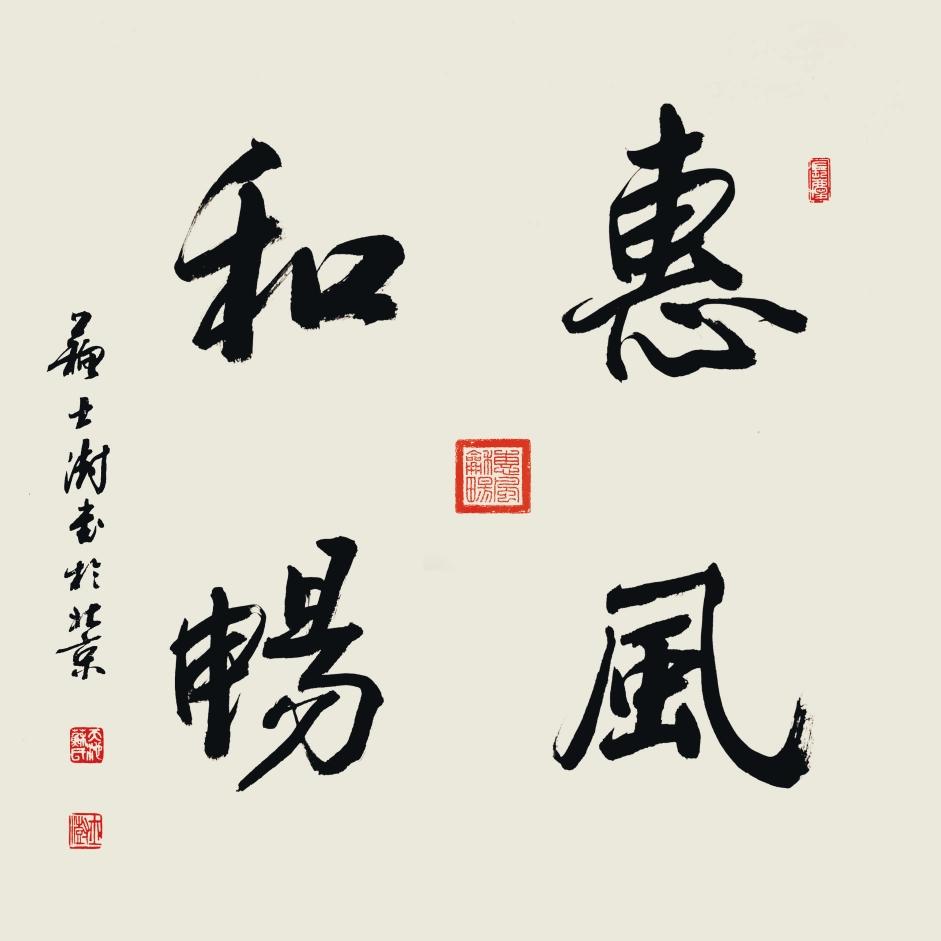
Chinese calligraphy, one of China’s greatest cultural treasures, has evolved over thousands of years into a refined artistic tradition. Each script style reflects the spirit of its era, blending aesthetics with cultural meaning.
Oracle Bone Script (Shang–Zhou): The earliest form of Chinese writing, carved on shells and bones, serving as sacred records of divination.
Bronze Inscriptions (Western Zhou): Monumental and dignified, cast onto ritual vessels, preserving history in metal.
Small Seal Script (Qin): Standardized under Emperor Qin Shi Huang, symbolizing cultural unification and still widely used in seal carving.
Clerical Script (Han): A turning point in Chinese writing, its distinctive “silkworm head and swallow tail” strokes paved the way for modern styles.
Regular Script (Wei–Tang): The standard form, perfected by masters such as Ouyang Xun and Yan Zhenqing, and still the foundation of calligraphy study.
Running Script (Jin–Song): Elegant and expressive, epitomized by Wang Xizhi’s Preface to the Orchid Pavilion.
Cursive Script: The most dynamic style, where strokes flow like a storm, reaching emotional and artistic extremes.
Wei Stele Style: Monumental and powerful, blending the strength of steles with the rhythm of writing.
Slender Gold Script (Song): Created by Emperor Huizong, refined and distinctive with thread-like strokes.
Tai Ge Style (Ming): Uniform and practical, shaped by the imperial examination, influencing modern print fonts.
From its origins in ritual carvings to the expressive freedom of cursive writing, Chinese calligraphy has always sought harmony between discipline and creativity. Today, it continues to evolve, drawing on tradition while embracing modern expression, ensuring its timeless role in Chinese culture.
✨ Explore our collection to discover how these timeless scripts come to life in modern works—bringing the elegance and spirit of Chinese calligraphy into your daily world.